
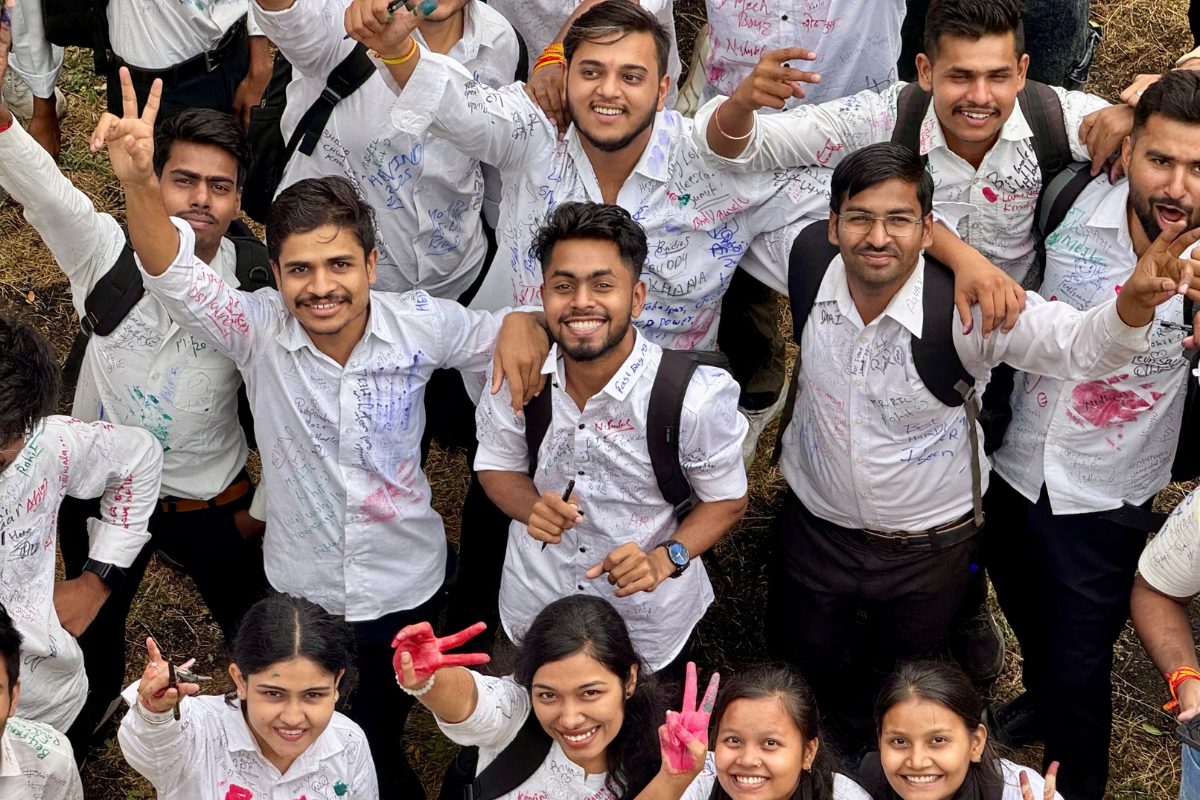
From the rise of small-town creators to revived crafts, young Indians are shifting trust away from one-size-fits-all authority. Loyalty now grows around voices, communities and brands that recognise India's many cultural worlds and let people shape them for themselves.
In July 2026, a Gen Z-led political movement forced India's education minister to resign over leaks in the country's entrance exams. Formerly seen as apolitical and disengaged, the movement has shined a spotlight on younger people's fearlessness as they went against well-established figures and institutions. Limited mainstream coverage of the protests pushed people towards media brands and creators such as Peek TV, a short-form platform praised for its persistent reporting. Consequently, as Brown University professor Ashutosh Varshney puts it, protesters were able to conquer the online space while regime-aligned media was "seriously delegitimised". This transfer of trust is not confined to politics.
Young Indians are looking towards people, organisations, brands and communities that recognise their particular realities rather than speaking to India as one homogeneous public. These new culture creators are individuals and communities that produce the language, symbols, aesthetics and shared meanings through which Indians recognise themselves today. Canvas8 discusses this in a new article that asks: "Who are India's culture creators?"
Why is this important?
Underpinning this is the country's relational loyalty culture. This was built through household recommendations, neighbourhood retailers, familiar brands and word-of-mouth trust. Now, creators, reviews, group chats, quick commerce and platform ecosytems are widening and fragmenting that trusted circle, while easier discovery lowers the risk of trying something new. The desire to self-define their generation is also shaping consumption.
"Indian Gen Zers value inclusivity, authenticity and new experiences but favour brands that recognise their chosen identities and priorities rather than deciding what they should aspire to."
In fact, eight in ten Indian Gen Zers consider the input of their close friends when deciding what to buy and where to go shopping. "Gen Z's approach to brand loyalty is conditional, value-led and community-driven," says Mohit Jain, founder of premium lifestyle brand Miraggio, adding that experiences built around real people's interests generate stronger organic engagement than traditional product launches.
What's the behavioural shift?
India is seeing a rise in creators and influencers from smaller towns and villages who are challenging stereotypes around who gets to define culture. In 2025, creators outside metro cities made up two-thirds (66%) of the country's 4.12 million creator base, with non-metro creators recording stronger engagement across the distribution. The popularity of small-town creators such as Pujarini Pradhan (Life of Pujaa) is emblematic of this shift away from traditional custodians of culture and trends. Indians are listening to online voices that recognise their particular cultural worlds, from their language and locality to their class, work and everyday realities.
"Consumer loyalty has shifted from being driven by familiarity to being driven by validation," says Jain. "Consumers now trust the ecosystem around a brand as much as the brand itself." Some 84% of Indian Gen Z follow influencers who share real experiences, while 61% of Indians across the board consider influencer content credible. Audiences are carrying culturally specific material beyond its original communities, too; in 2025, almost eight in ten (77%) Indian Gen Zers watched translated creators or content online, while 68% used language or slang picked up from videos and memes in conversation.
What are the key takeaway for brands?
Capturing India's zeitgeist today is a matter of giving young people the cultural mic, investing in co-creation and building micro-communities, and showing accountability in action. A sense of community and belonging often guides purchase decisions in the country, with seven in ten Indian Gen Z considering their inner circle of close friends and family a guide for everything. But belonging becomes more powerful when people feel their particular interests, identities and cultural worlds are recognised within it.
Meanwhile, 86% of young Indians value brands that actively demonstrate their environmental impact, suggesting that responsibility must be visible rather than simply claimed. These values, however, are often in conflict with the need for low prices. Gen Zers now find themselves reconciling their concerns with the price, pleasure and cultural meaning attached to what they buy. "Sustainability often acts as a tie-breaker rather than the deciding factor," says Jain. They want products and experiences that reflect their values without asking them to compromise on quality, affordability or everyday convenience. Delhi-based The Bhag Club shows what deeper community can look like, turning running into a recurring social ritual that draws hundreds of young people to weekly early-morning sessions despite the city's heat and humidity.
Brands can build deeper loyalty by supporting smaller communities where people repeatedly show up, recognise one another and validate their belonging – not simply gather for a one-off activation.
Global strategic insights agency Canvas8 is the official culture partner of The Marketing Society Singapore. Exclusively for members in Singapore and Hong Kong: Get eight weeks of access to the cultural intelligence that helps you move with certainty, not guesswork. Members, you will have been sent the link to access.