TikTok's bebot makeup trend is a celebration of Filipino beauty, highlighting a growing beauty industry that could rival South Korea's and China's. Filipino brands have a keen understanding of global trends, while developing products fit for the region's tropic climate and diverse skin tones.
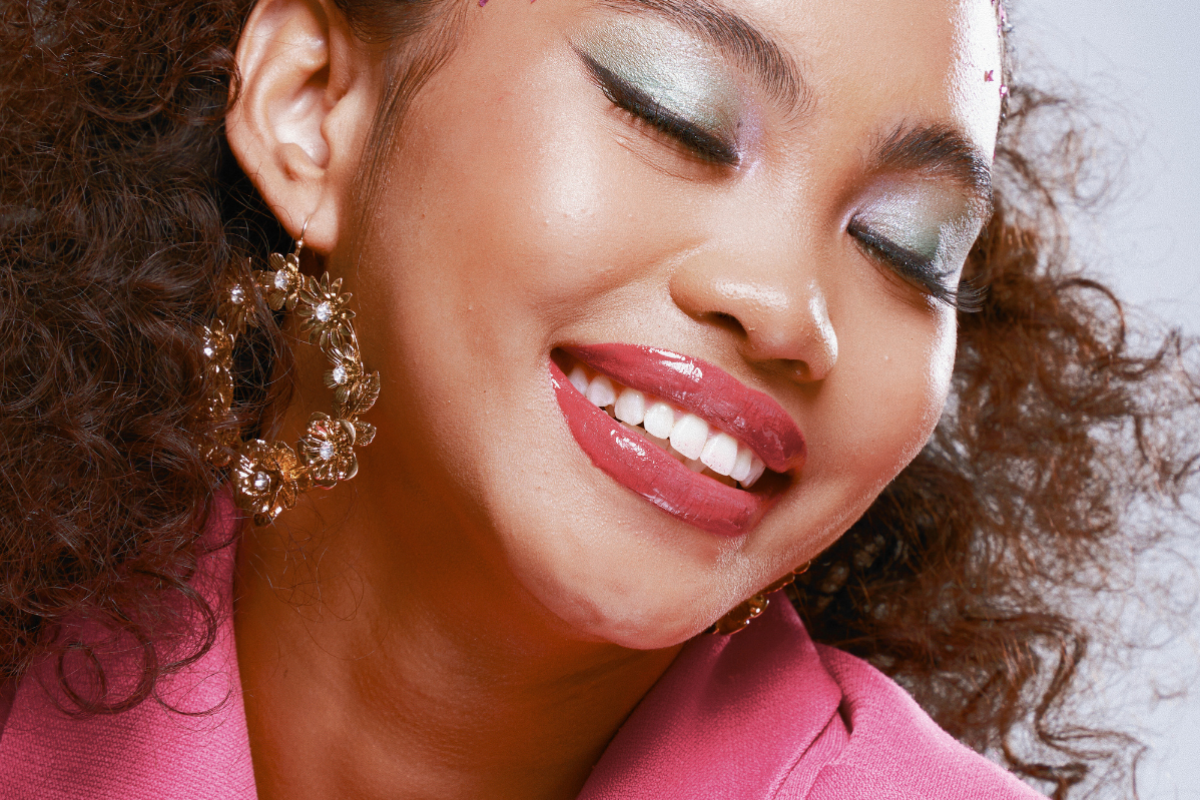
Another month, another new TikTok trend. The FYP is calling it bebot makeup, named after the Filipino Black Eyed Peas song that came out twenty-one years ago. The look they’re recreating screams early 2000s baddie (that’s what bebot means, basically) – thin eyebrows, a smokey eye, matte foundation and so much bronzer. Neither of the things I just described are new. We’ve seen old songs revived on TikTok before. This isn’t the first makeup trend either, nor is it the first beauty challenge based on Y2K aesthetics. What is fresh, however, is that it comes from a country that has been making relatively quiet yet seismic shifts in the beauty industry.
Why is this important?
The Philippines’ beauty industry may not yet be as buzzy in the West as South Korea’s or China’s, but within the region, many consider it a rising power player. This is, in large part, thanks to local brands that have cropped up in recent years such as Sunnies Face, Happy Skin and Issy. While they aren’t the first in the market, these brands have a keen understanding of global trends. They then develop products and brand identities that resonate with Filipinos: premium, diverse, accessible.
Like K-beauty, this success at home has led to success globally. According to the OEC, exports of beauty products from the Philippines increased by 49.9% year on year in September 2025. Specifically, there was a reported increase in exports to Singapore, Malaysia and Nigeria. Social media plays a big role here as Filipinos remain the world’s top online users – we are trend setters and early adopters. In the music industry, the country’s capital, Manila, is considered a “trigger city,” where record labels ‘test’ new artists and predict emerging streaming habits and patterns. They’ve also identified that Filipino fans usually post more content of their faves on social media, helping boost virality. Now take this energy and merge it with a relatively new love for all things local, and you get the global rise of Filipino brands. This is further bolstered by what the `Business of Fashion' calls the ‘Filipina Influencer Takeover,’ with the country’s key opinion leaders coveted by many brands during fashion week because of their millions of followers.
What’s the behavioural shift?
The most obvious behavioural shift here is the dismantling of Western beauty standards. While the trend can be done by anyone, the poster children for bebot makeup are quintessential morena beauties, or Filipino women with deeper skin tones – a demographic that has always existed yet rarely depicted in local media where mixed celebrities with Eurocentric features are popular. “What used to be controlled by casting directors and advertisers is now being shaped by ordinary women with cellphones and confidence…. Filipinas are no longer waiting to be approved by someone else’s lens,” one Facebook post writes about the bebot trend. That this is the Filipino beauty trend to break out globally is telling of shifting beauty standards that more openly celebrate the diversity of Filipino women.
Shoppers in western countries are also increasingly interested in Asian beauty brands. Canadian chain Sukoshi is known for carrying skincare, makeup, and hair products from China, South Korea and Japan. It started a rapid expansion in the US early last year, planning to have 40 stores in the country by the end of 2026. “As Asian beauty continues to shape global standards, we're proud to be leading its expansion across North America,” Sukoshi CEO Linda Dang says.
What’s the key takeaway for brands?
The bebot trend is yet another reminder for brands to highlight the origins of their products. Last year, Huda Beauty launched an ube makeup collection featuring a setting powder, liquid blush and lip gloss inspired by the Filipino purple yam. However, critics and Filipino beauty creators noted the lack of Filipino representation in the marketing and product formulation itself. This was a huge miss, especially when contrasted with projects such as social media star Bretman Rock’s collaboration with makeup brand blk, which highlights their Filipino roots.
Doing this not only properly credits the cultures that the products were created in or inspired by, but also satisfies global shoppers’ desires for specificity. For example, hyperlocal shopping is huge in Japan, where tourists shop at local stores such as Uniqlo and consider it as a cultural landmark. Filipino brand Sunnies is proactively creating similar associations through its Sunnies World concept stores that immerse shoppers into its makeup, eyewear, flask and merch lines. They’ve even exported the experience to Thailand, with a Sunnies World store in Dusit Central Park in Bangkok.
Global strategic insights agency Canvas8 is the official culture partner of The Marketing Society Singapore. Exclusively for Members in Singapore: get eight weeks of access to the cultural intelligence that helps you move with certainty, not guesswork. Members you will have been sent the link to access.