Every year, on behalf of thenetworkone, I publish a ‘Cannes Review’. It appears a couple of weeks after the end of the Cannes Lions Festival, once the dust has settled and underlying trends start to appear more clearly. What follows is an interim version, by special request of our friends at The Marketing Society.
I must start with a confession. I have been to Cannes for the last 20 years and I should know better by now, but I completely messed up my week in the South of France.
How and why?
There was so much great content and so many great people. I rushed up and down the Croisette, trying to see all of it and all of them.
The only parts of the week I actually remember enjoying (or indeed – remember at all?) were the times when I was forced to stay in the same place for a couple of hours. Gemma and Dan’s legendary annual lunch on the Ile des Lerins. Chen Yong’s Autovision and Weibo event, with Terry Savage and the Chinese carmaker BYD. Dinner with thenetworkone team. Our own Indie Forum and afternoon drinks party at MSQ’s blissfully cool Café MSQ. The final, final cocktail in the Adweek House, when there were literally no more seminars to go to, and I made friends with a lovely family of Bolivians.
And this in itself, was the biggest lesson from Cannes 2026.
For the last ten years, we have all been part of an involuntary Gadarene rush, to achieve SCALE. To get BIGGER. To merge, to acquire. In our industry, this has been led by the tech platforms – Meta, Google, Amazon, Apple, Netflix and the rest.
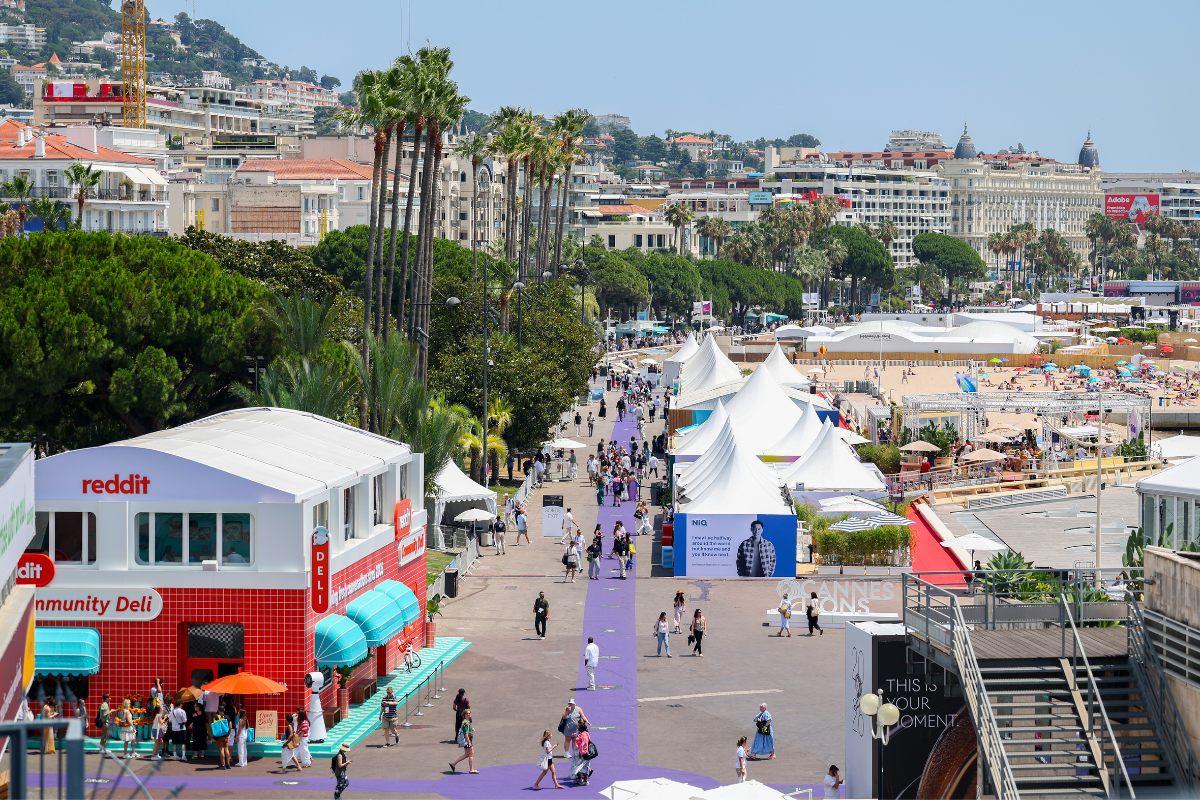
Their hideous, prefab pavilions dominate the town. As Brian Collins put it, we stand in front of one of the most beautiful bays in the world – and we can no longer see it. They also block us from the natural sea breeze, making 31 degrees seem ten degrees hotter. No wonder Cannes is hoping to move the festival three or four weeks earlier – but they could perhaps consider addressing the problem, not the consequence.
My vote for the Titanium Grand Prix – if they had entered, –would have gone to Adweek, for the map of Cannes showing which venues were, or were not, air conditioned.
Thank heaven for aircon. Just a pity it also contributes significantly to global warming.
Talking of which – my most eye-opening conversation of the week (in the Adweek House) was with an old friend who is always at Cannes, the Creative head-hunter known as Sascha the Mensch.
Aside from the Autovision event mentioned above, the Chinese were conspicuously absent at Cannes 2026. Why? Politics? Economics? I don’t know, but it’s a crying shame to hold a global festival without one of the two great innovative powers of the world today, while the other one was so over-represented. (Almost half the jury Presidents reside in the USA.)
Sascha told me that while the US leaders in AI and digital technology generally are rushing to ever greater scale, the Chinese are heading in the opposite direction. Open AI, Anthropic and the rest are continually expanding their GPT’s, until they can know every subject and answer every question (this is the meaning of GP – General Purpose).
Whereas the Chinese are moving to smaller, more specialist platforms where consumers can research the topics they are interested in. This has the side-benefit of consuming significantly less power and making significantly less contribution to global warming. It also helps corporate profits – energy use, measured in tokens, is decimating corporate expenditure budgets. Uber reportedly spent its entire 2026 AI budget by the end of April.
Now, sorry folks, but I’m already 65% through my allotted wordcount for this preview. So you’ll have to wait until next week for the rest, where we’ll look at how advertisers and agencies are thriving, or not, in our Brave New World of AI at scale. How the big prizes at Cannes 2026, mostly went to work that had a measurable, demonstrable, proven effect on business and social outcomes, rather than promises and good intentions.
So I’m going to jump to my favourite quote so far, from Cannes outlier ICCO’s article authored by their President, Massimo Moriconi:
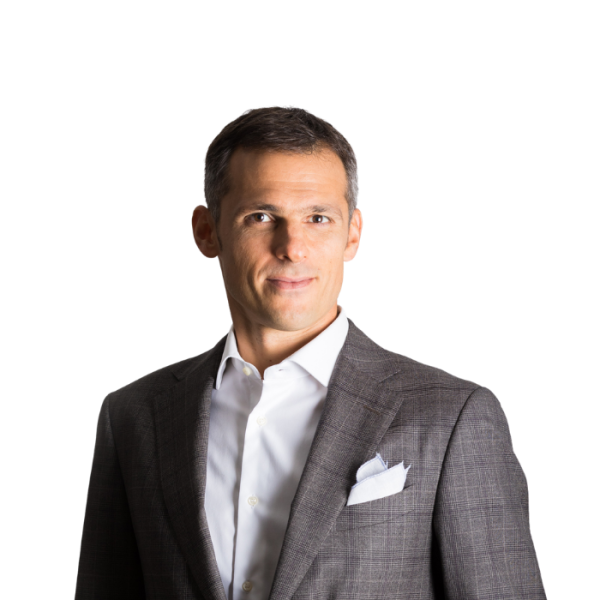
“In every transformational era, leaders search for the next source of competitive advantage. Over the past decades, the answer has typically been scale, technology or intellectual property. Today however, a different asset is emerging as the defining factor of organizational success: Relationship Capital.”
Massimo Moriconi President, ICCO
So let’s go back to the beginning of this article and ask ourselves:
Are powerful, meaningful relationships built “at speed”, and in a rush?
And also: are they built from behind a screen, as TikTok, Meta, Amazon, Google, Netflix and the rest, would like us to believe?
More to follow. If you’re not already on thenetworkone mailing list and would like a link to my full Cannes Review, please email me – or better still, ask my friends at The Marketing Society.
Julian Boulding, Founder of thenetworkone and Fellow of The Marketing Society