
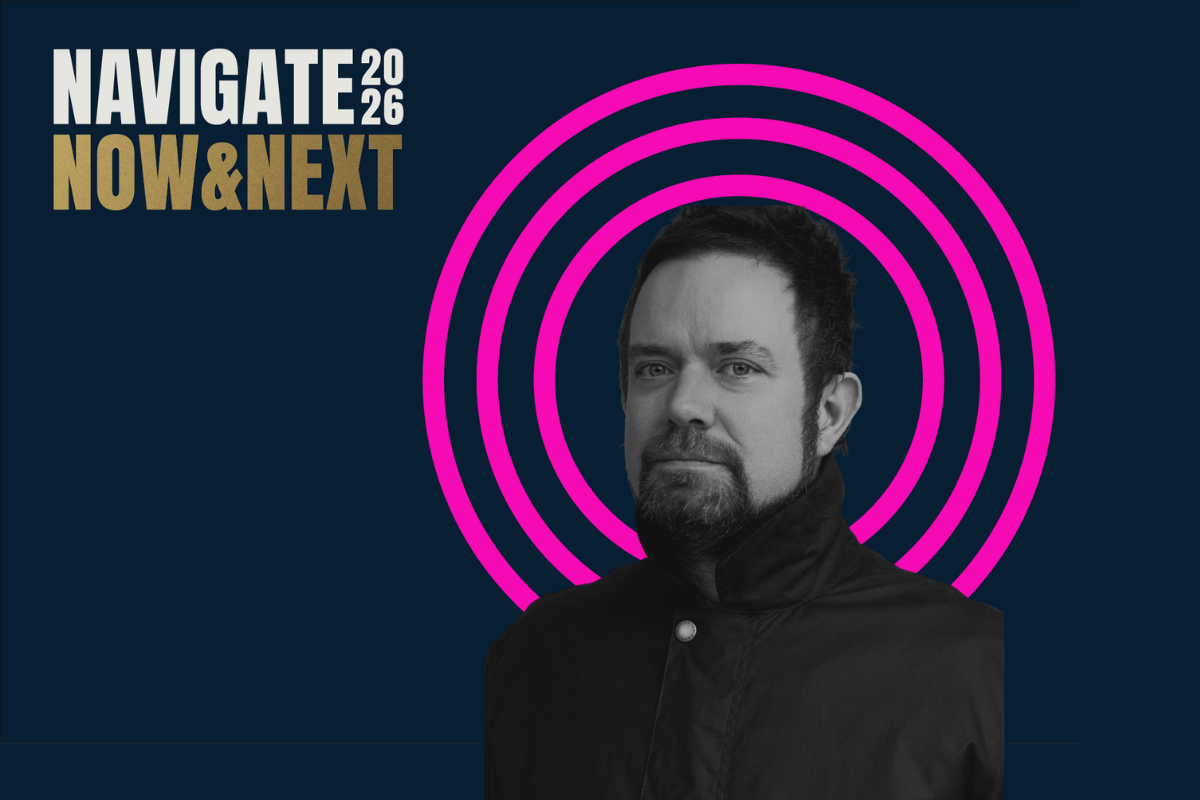
You spent 20 years at Nike. What’s the single biggest lesson you learned about keeping a global brand innovative — and how has that shaped your approach at Barbour?
Innovation isn’t always about big, visible change. In fact, chasing that can sometimes pull you away from your brand truth. There’s often a temptation, especially in marketing, to create something that feels like a dramatic departure just to prove you’re being innovative. But what I saw at Nike is that the most effective innovation is often much more considered and it comes through constant, incremental improvement and a deep focus on the consumer. That’s really shaped my approach at Barbour. With a brand that has such strong heritage, the teams’ focus has been on evolving the brand through marginal gains; refining what matters most to consumers because while they may not always notice a dramatic shift, they feel the difference. And over time, that’s what keeps a global brand both relevant and true to itself
When you’re stewarding an iconic brand, how do you decide what must never change — and what absolutely has to?
Iconic brands endure, whether it’s Nike or Barbour, not just because they evolve, but because they stay deeply anchored in the voice and intent of their founders. Even when those founders are no longer in the room physically at all times, their perspective is still actively listened to, referenced, and used as a brand compass for decision-making. That clarity allows you to draw a critical line between what is fixed and what is flexible. What must never change is the “why”: the original vision, the values, and the reason the brand exists in people’s lives. That’s the emotional contract with the consumer and what builds lasting trust. What is open to interpretation is how that vision is expressed. Creative execution, storytelling, or channels must evolve with culture. Relevance isn’t static, it’s something you earn over and over again, keeping the spirit of the brand alive.
Global growth often risks dilution. How do you scale a brand internationally while keeping it culturally sharp and locally relevant?
There are some who buck the trend here. That said, global growth can be diluted when a brand tries to control or comment on culture that doesn't authentically include them. The brands that stay sharp internationally are the ones that treat culture as something you tap into, not leverage solely for your own gain. For me, that starts with building highly connected local teams who aren’t just executors, but interpreters. They understand nuance, tension, humor, and behaviours which come as natural to how consumers live their lives. Their role is therefore to shape how the brand shows up so it feels native, not unfamiliar. The responsibility of the teams at centre is to be crystal clear on what must be consistent: the purpose, the values, and the non-negotiable signals of the brand. A mentor of mine once said, the local markets need the space and time to humanise the brand, don’t constrain them with overly strict marketing templates. I really like that.
Innovation isn’t just product anymore. Where do you believe it really counts today — community, partnerships, sustainability, storytelling?
It may not just be about product, but I will always be the biggest advocate that its where the great potential should originate. As marketeers, if we don't love and believe in the power and the emotion of what our product innovation represents, then how is that ever going to translate across and into the hearts and minds, and of course pockets, of our consumers. A former colleague of mine at Nike, Ruth Hooper, and I talked often about how we could innovate within four key areas. How consumer see, touch and feel the brand…and lastly, what they do with it on their own terms. These very human truths then lead you to the outcome which may be community, partnerships, channels…but don't start there. Should you do so, you risk the tail wagging the dog and end up chasing executional trends, comparing yourself to others, and mistaking activity for innovation. Find the emotive and practical friction that product innovation solves, the rest will follow.
Looking ahead, what will separate the brands that endure from those that simply have heritage?
Endure is a good word, because it means so much more than merely existing. Which is never enough, because over time you’re going to experience a natural erosion of your brand and ultimately loss of desire and above all trust. I have been taught to believe that the brands that endure are the ones that never take their place in people’s lives for granted. To quote Sir Ian McGeechan from Living with the Lions, it’s about getting better, and better and better. And a step further than that, it’s about showing at every opportunity you care. Now, heritage is a beautiful thing, it tells a story of where you’ve been, the impact you’ve had, the trust you’ve built over time. But it can also quietly create a sense of comfort. Moments where brands with heritage are at their best are when they are reimagining where that red thread will take them next. You’ve got to stay curious, stay humble, and keep earning the right to be in their pocket, on their wrist, in their wardrobe or parked in the garage. Heritage might open the door but it’s what you do next that decides whether you’re invited to stay.
Jamie is speaking at Navigate Now & Next Scotland on 23 April in Glasgow. Tickets available here.